
Fire & Smoke Damage Restoration in Northeastern NJ
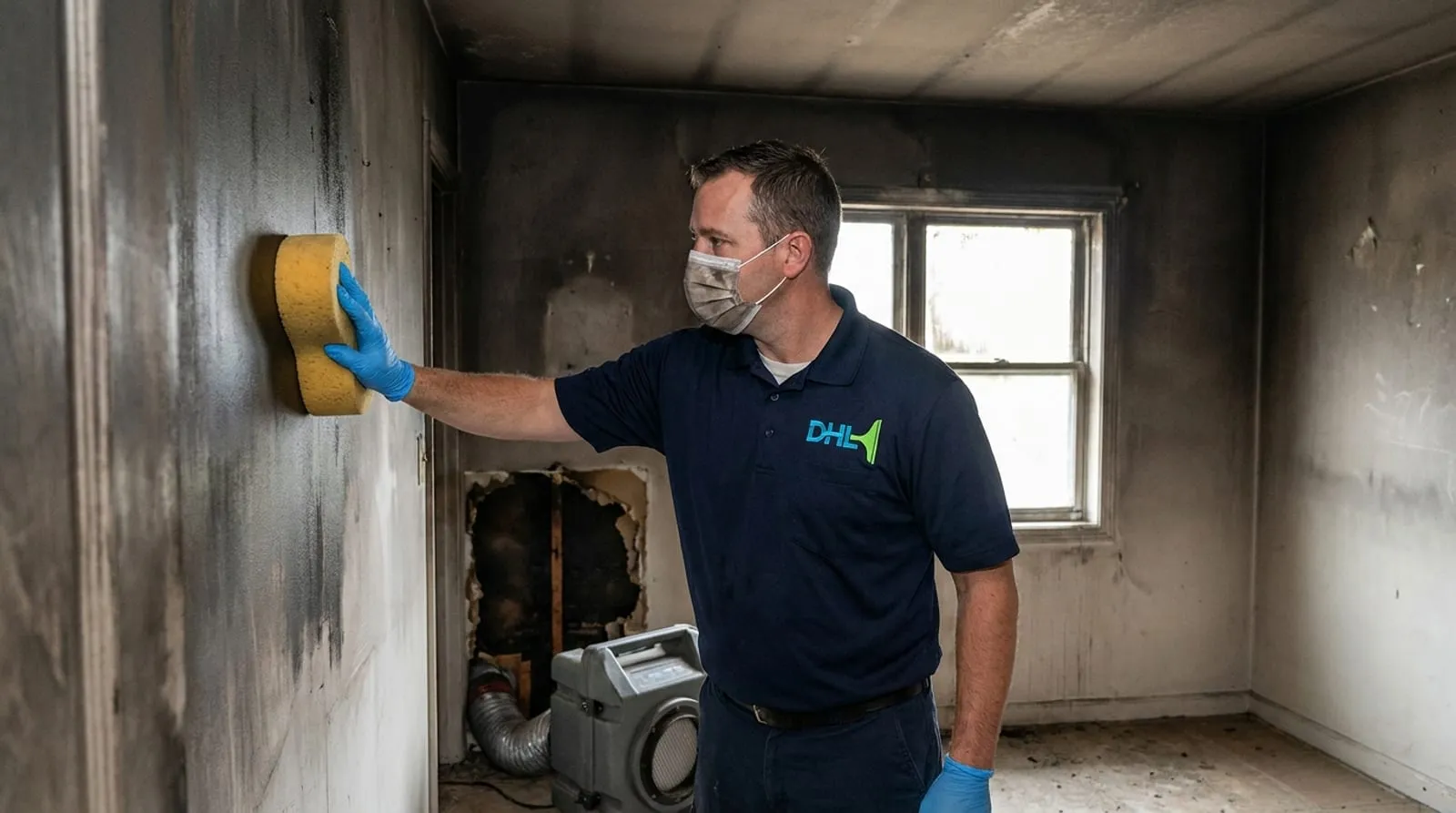
After a fire, the flames are usually the smallest part of the problem. Smoke travels everywhere the air went, soot is acidic and keeps etching surfaces while it sits, and the water used to put the fire out becomes its own restoration job.
Quick answer
Fire and smoke damage restoration in Northeastern NJ: DHL removes soot before it permanently etches surfaces, treats smoke odour at the source rather than masking it, dries the water used to fight the fire, and documents the whole loss for your insurance claim. IICRC-certified, family-owned since 2010.
Soot is on a clock
Soot is acidic. Left on a surface it keeps working — etching glass and chrome within hours, staining grout and marble within days, and corroding metal fixtures over the following weeks. That is why the first response matters more here than almost anywhere else: what gets cleaned quickly is usually saved, and what sits often is not.
Different fires leave different residues
A protein fire from a kitchen leaves an almost invisible film with a smell that will not quit. A synthetic fire from furniture and electronics leaves a smeary black residue that spreads if you wipe it wrong. Natural-material fires leave dry, powdery soot. Each needs a different method, and using the wrong one drives the residue into the surface instead of lifting it.
The water is part of the job
Whatever the fire department used is still in the structure. Wet, soot-contaminated material left in place turns a fire loss into a mold loss inside a couple of days. We dry the building with the same equipment and the same moisture mapping we use on any water job, because it is the same problem.
Odour is a source problem, not a spray problem
Smoke odour lives in porous material and in the HVAC system that carried it around the house. Air fresheners and ozone alone do not fix that. We find where the smoke settled, clean or remove the material holding it, and treat the duct system that redistributed it.
How a fire & smoke damage job goes
The same disciplined sequence on every job — so nothing is guessed and everything is on record.
- 01
Inspect
On-site assessment with moisture readings and photo documentation of every affected area.
- 02
Contain & prepare
We protect the surrounding rooms and set up drying or containment equipment safely.
- 03
Treat
The work is executed with IICRC-standard procedures and pro-grade equipment.
- 04
Verify
Post-service verification and a written summary for your records or insurance claim.
Related restoration services
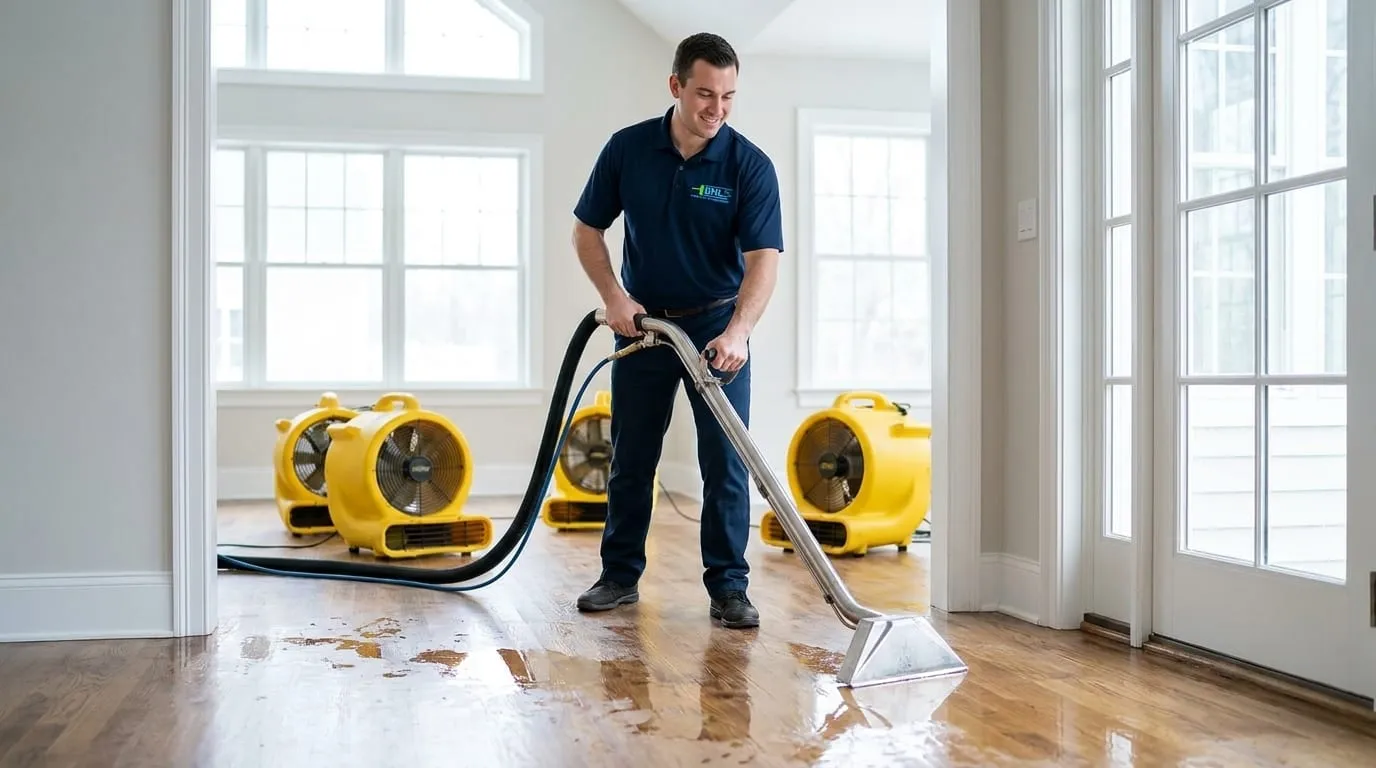
Water Damage Restoration
24/7 emergency water extraction, drying and structural restoration.
Learn more
Restoration Services
Full restoration for water, mold and fire-related damage.
Learn more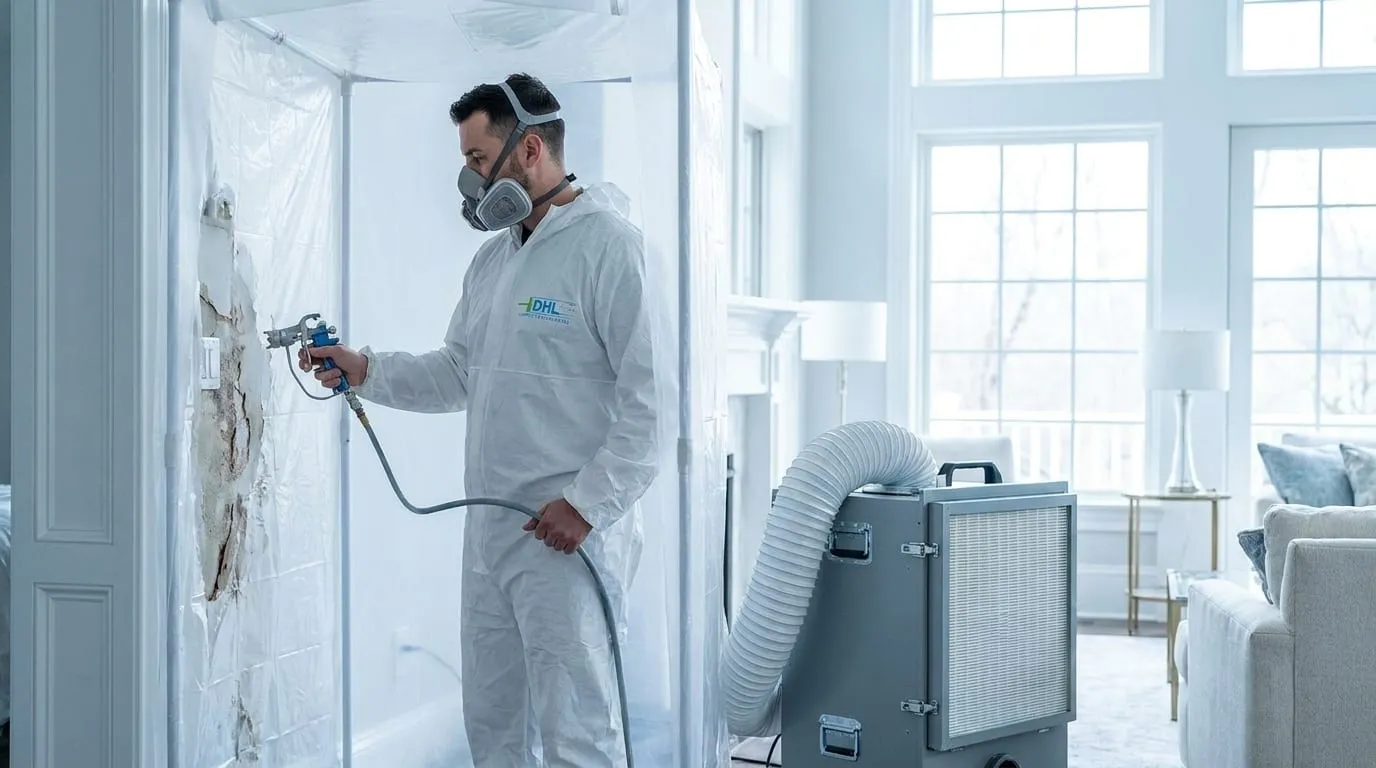
Mold Remediation
Safe, containment-first removal that restores healthy indoor air.
Learn more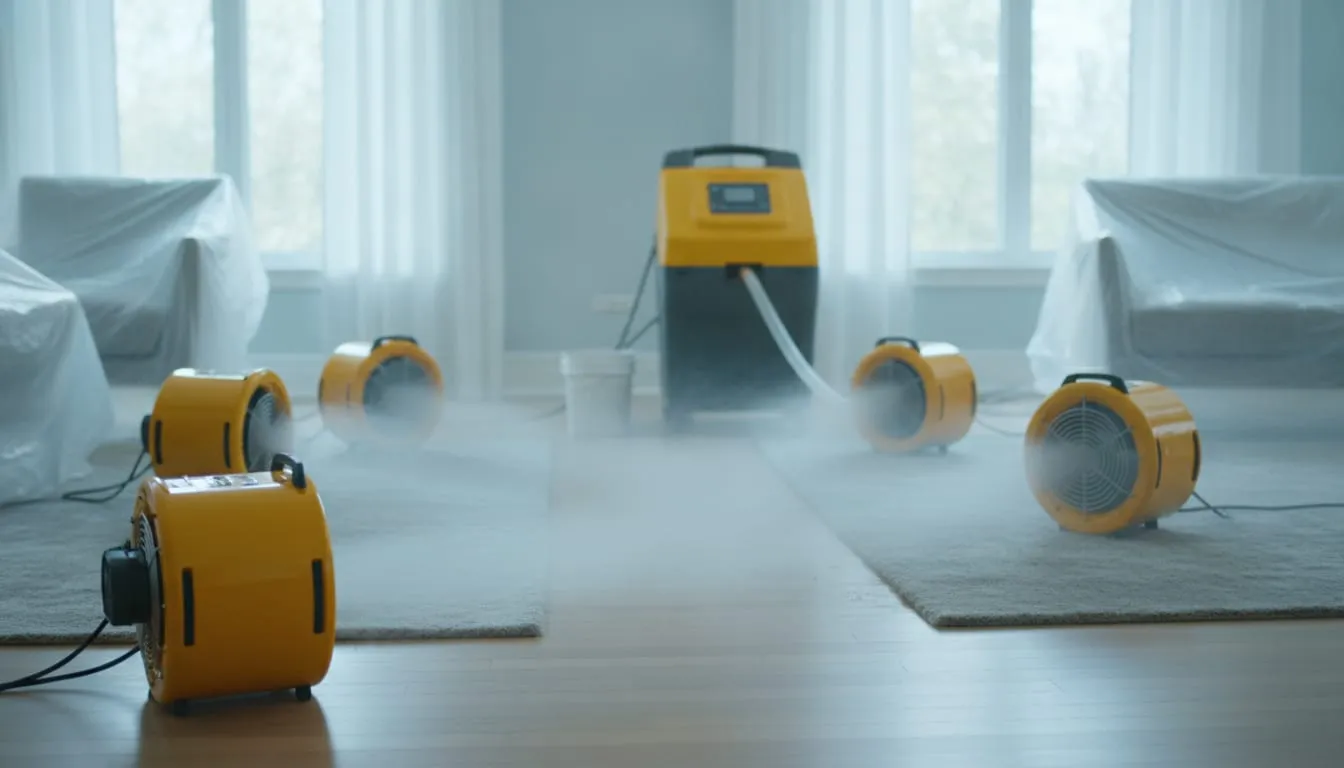
Mold Mitigation Service
Containment and drying that stop mold from spreading room to room.
Learn more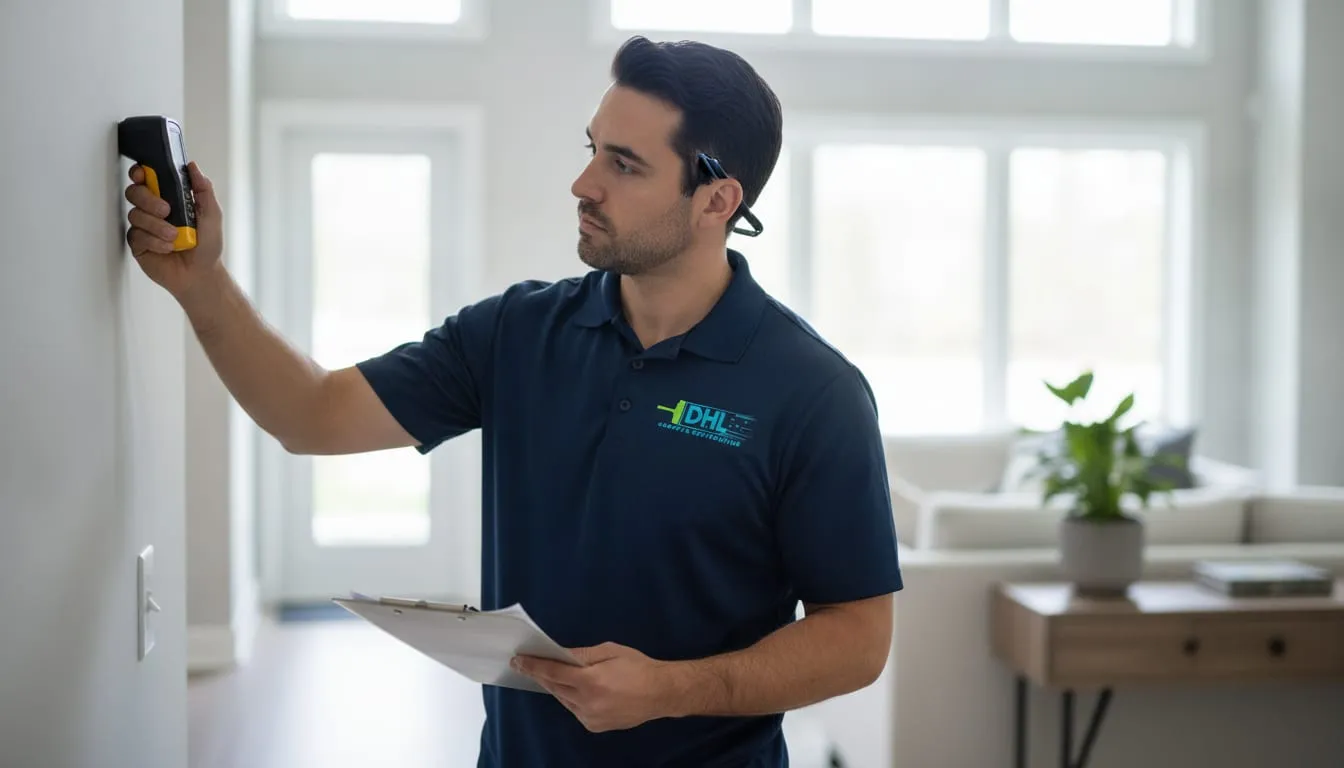
Mold Inspection
Thorough on-site inspection with moisture mapping and reporting.
Learn more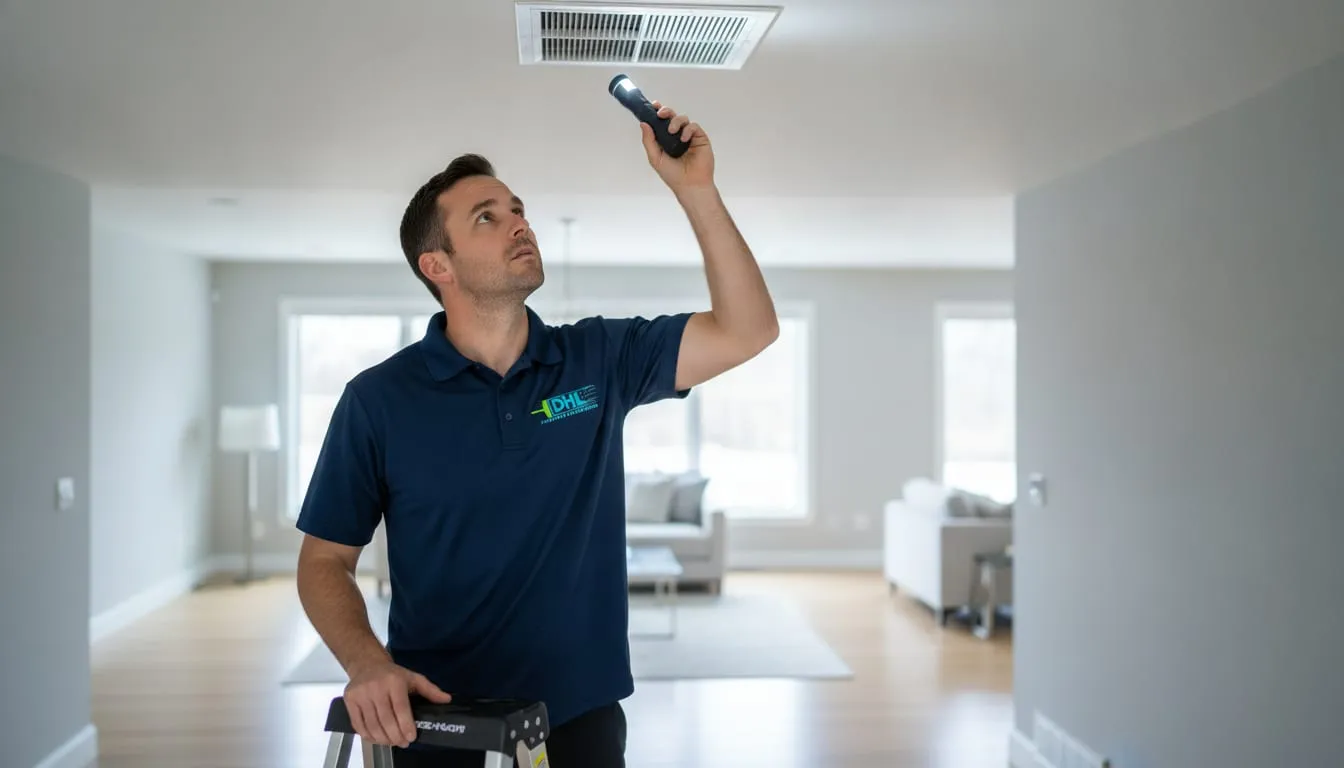
Mold Odor Removal
Source-first odor elimination — no masking, no ozone in your home.
Learn moreWhat NJ homeowners say about DHL
- Melody Camp4 months ago
Our guest bedroom carpet became soaked after a pipe burst inside the wall. Water damage restoration technicians removed the wet padding and dried the subfloor underneath. Air movers circulated throughout the room for several days. The carpet installation afterward went smoothly.
- Suzanne Chausse4 months ago
Broken pipe under the bathroom vanity caused hidden water damage. The restoration crew inspected every corner using moisture meters. Only the wet materials were removed while the rest was preserved. The process was very organized and professional.
- Lisa Russo4 months ago
I didn't spot the damage right away, but a leak behind the wall did it. Thermal imaging helped them find the trouble spots without having to take everything apart. Things used for drying stayed where they were until everything was safe. Really satisfied with how they did things.

Fire & Smoke Damage — common questions
As soon as the building is released as safe. Soot is acidic and keeps damaging surfaces while it sits, so the gap between the fire and the first cleaning often decides what can be saved.
Usually, but only by dealing with what is holding it. Odour lives in porous material and in the ductwork that spread it around the house. Masking it works until the next humid day.
Yes, and it is not a separate job. Soot-contaminated water left in the structure becomes mold within days, so drying runs alongside the soot cleanup rather than after it.
Fire is covered under most homeowner policies. We document the loss the way adjusters need it — photographs, moisture readings, a written scope and a materials list — so the claim has what it needs from the start.
More than people expect if the work starts quickly, and less than people hope if it does not. We tell you plainly which contents and surfaces are recoverable rather than cleaning things that should be replaced.
Had a fire? Let us start before the soot does more damage.
Free, no-obligation estimate — we reply the same day.