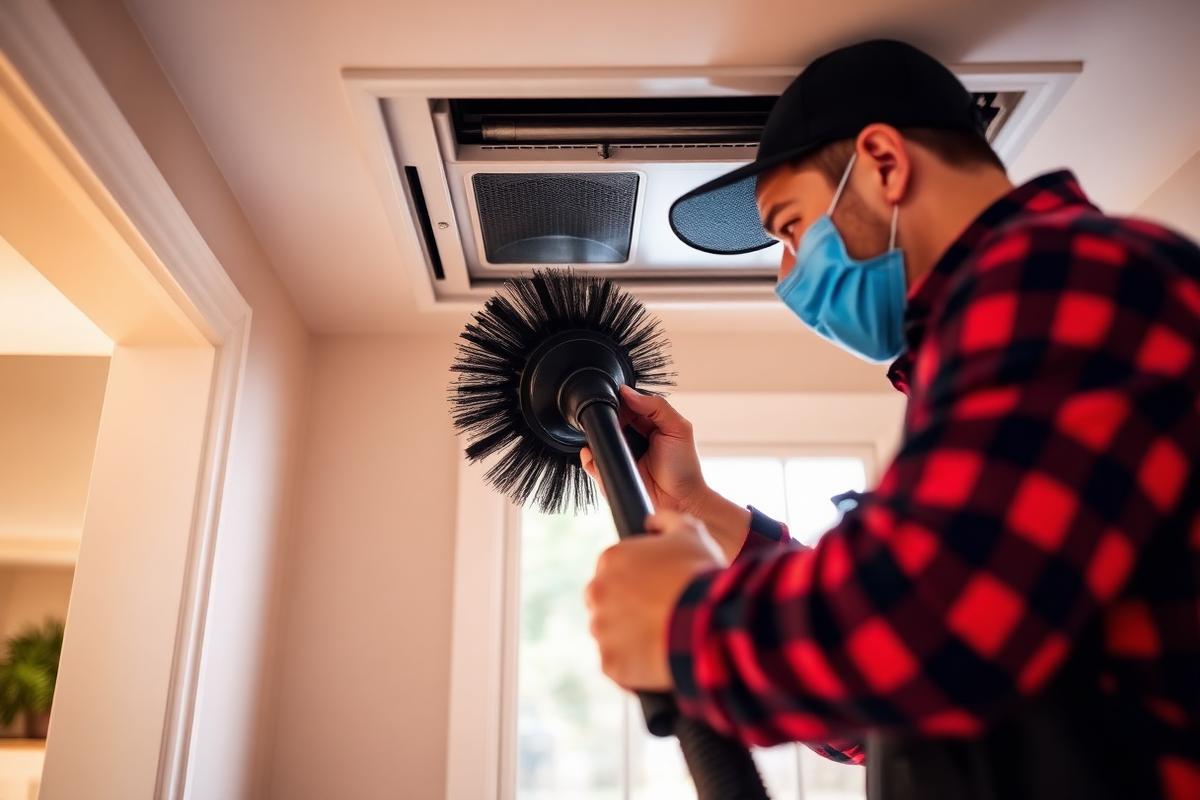
Duct cleaning is oversold as an allergy cure and undersold as part of a system. Done at the right time, alongside proper filtration and humidity control, it makes a genuine difference.
Filters do the daily work
A MERV 11-13 pleated filter captures most pollen and a good share of fine particulate. Go higher only if your system's static pressure allows it — an over-restrictive filter starves airflow and can freeze a coil.
Change filters every 60-90 days, and monthly during heavy pollen or if you have pets.
What cleaning adds
Cleaning removes the reservoir: settled dust in the trunk and branches, debris on the blower wheel, and biological growth on the coil. A clean coil also improves cooling efficiency in July.
It is a periodic reset, not a substitute for filtration.
Humidity is the third leg
Keeping indoor relative humidity at 45-50% suppresses dust mites and mold at the same time. In many NJ basements that needs a dedicated dehumidifier, not just the AC.
Seal obvious duct leaks in unconditioned space — leaky returns pull dusty attic and crawlspace air straight into the system.
Key takeaways
- MERV 11-13 filters, changed on schedule, do the daily filtering
- Coil and blower cleaning improve both air quality and efficiency
- Sealing return leaks stops dusty attic air entering the system
Need air duct cleaning in Northeastern New Jersey?
NADCA-standard duct cleaning removes dust, dander and mold spores from your HVAC system — improving airflow and indoor air quality.
More from week 3: Indoor air quality
Allergens, filtration and the systems that decide what you breathe at home.
- Restoration ServicesBuilding Back Healthier: Restoration Choices That Improve Air Quality
- Area Rug CleaningThe Dusting Step: Why Rug Cleaning Removes More Allergen Than You Think
- Upholstery CleaningDust Mites and Pet Dander: Why Upholstery Cleaning Matters for Allergies
- Water Damage RestorationHidden Water Leaks Are an Air Quality Problem, Not Just a Plumbing One