
Homeowners often call asking for an air test when what they need is an inspection — and occasionally the reverse. The difference is whether you are looking for a source or measuring a condition.
What air sampling tells you
An air sample is a snapshot: spore types and concentration at one place and time, compared against an outdoor control. It is excellent for verification and for documenting a dispute.
It will not tell you where growth is. A clean air sample in a room with mold behind a sealed wall is entirely possible.
What an inspection tells you
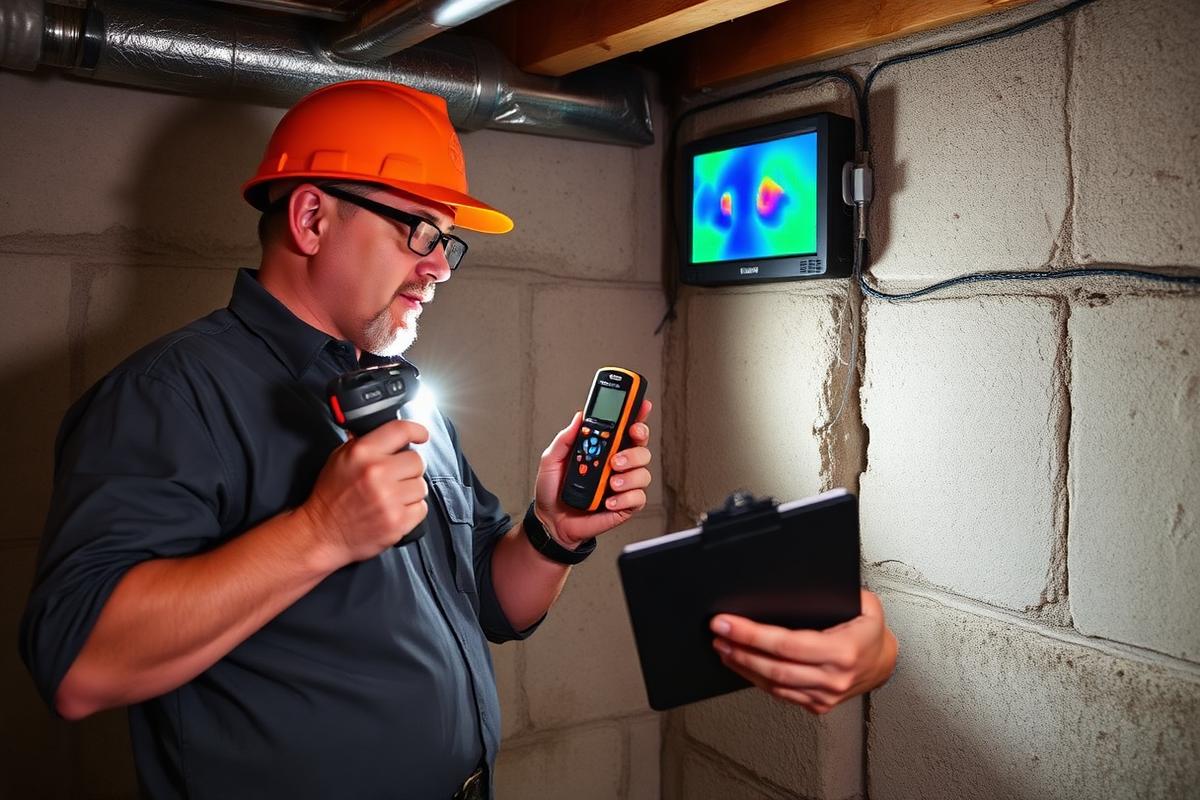
An inspection finds the moisture. Meters, thermal imaging and a physical assessment of the building envelope identify the source and the extent, which is what a remediation scope is built from.
For most homeowners with a smell or a stain, inspection first is the right and cheaper order.
Use both when it matters
Combine them when a household member has a diagnosed respiratory condition, in a real estate transaction, in a landlord-tenant dispute, or as post-remediation verification after a large job.
Insist that whoever samples is not the only party who benefits from the result — the report should stand on its own.
Key takeaways
- Air sampling measures a condition; inspection finds the source
- Inspection first is usually the correct and cheaper order
- Pair both for verification, transactions and health concerns
Need mold inspection in Northeastern New Jersey?
Certified inspectors identify hidden moisture, active growth, and the root cause. You get a clear written report and a scoped action plan.
More from week 3: Indoor air quality
Allergens, filtration and the systems that decide what you breathe at home.
- Air Duct CleaningDuct Cleaning, Filters and Summer Allergies: What Actually Helps
- Restoration ServicesBuilding Back Healthier: Restoration Choices That Improve Air Quality
- Area Rug CleaningThe Dusting Step: Why Rug Cleaning Removes More Allergen Than You Think
- Upholstery CleaningDust Mites and Pet Dander: Why Upholstery Cleaning Matters for Allergies