Lab reports look intimidating and mostly are not. Three concepts cover almost everything you need to interpret one.
Counts are relative, never absolute
There is no legal indoor limit for spores in New Jersey or federally. A count is only meaningful compared to an outdoor sample taken the same day at the same property.
Indoor lower than outdoor with a similar genus mix is the normal, healthy result. Indoor higher than outdoor suggests an indoor source.
The genus profile matters more than the total
Cladosporium and Alternaria are common outdoors and drift in through doors. Elevated Stachybotrys, Chaetomium or Aspergillus/Penicillium indoors points to chronically wet material inside the building.
Chaetomium in particular is a wet-cellulose organism — finding it usually means drywall or paper-faced material has been wet for a while.
What testing cannot tell you
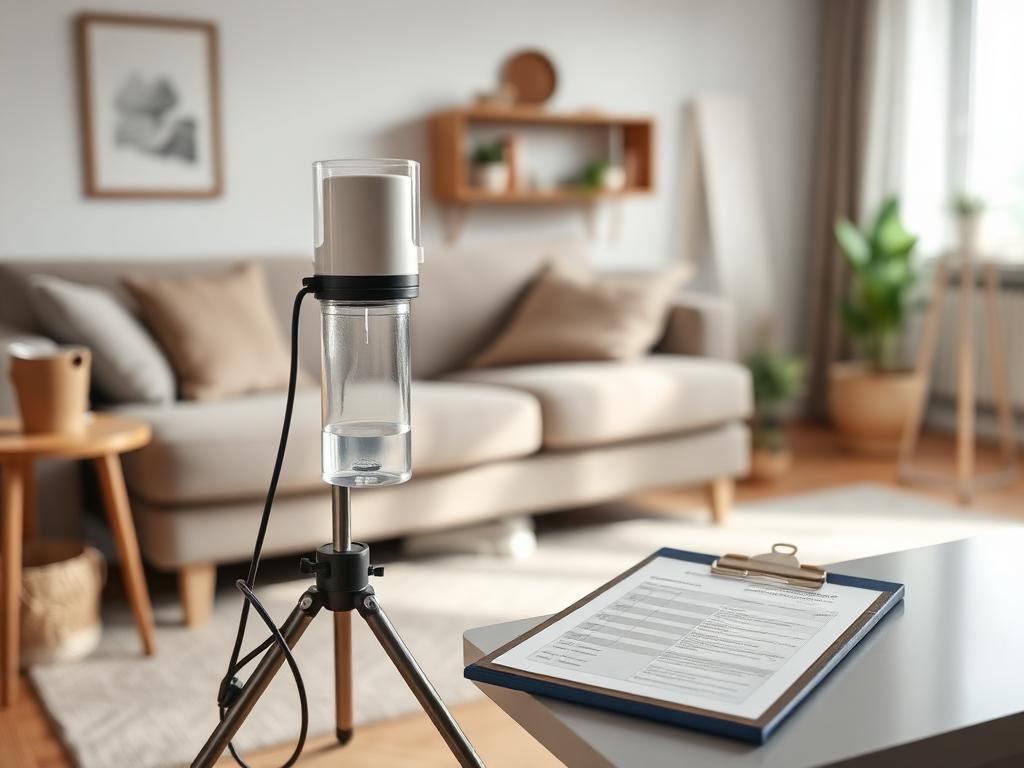
A sample cannot locate the source, cannot tell you how long it has been there and cannot predict health effects for a specific person. It quantifies the air at one moment.
That is why sampling supports a moisture inspection rather than replacing one. The meter finds the water; the lab confirms the load.
Key takeaways
- No indoor spore count is meaningful without a same-day outdoor control
- Which genera appear matters more than the raw total
- Testing quantifies; only inspection locates
Frequently asked questions
- How fast can DHL start mold inspection in Northeastern New Jersey?
- We answer 24/7 and typically reach homes across Northeastern New Jersey within 60–90 minutes for emergencies. Non-urgent mold inspection is usually scheduled within 24–48 hours, and every visit starts with a free written estimate.
- What does a mold inspection job include?
- Certified inspectors identify hidden moisture, active growth, and the root cause. You get a clear written report and a scoped action plan. Every job covers moisture mapping, thermal imaging, air & surface sampling, written report.
- Is mold inspection covered by homeowners insurance?
- It depends on the cause of loss — sudden and accidental damage is usually covered, gradual wear typically is not. We document moisture readings, photos and scope so your adjuster has what they need, and we can speak with them directly.
Need mold inspection in Northeastern New Jersey?
Certified inspectors identify hidden moisture, active growth, and the root cause. You get a clear written report and a scoped action plan.
More from week 3: Indoor air quality
Allergens, filtration and the systems that decide what you breathe at home.
- Restoration ServicesBuilding Back Healthier: Restoration Choices That Improve Air Quality
- Air Duct CleaningDuct Cleaning, Filters and Summer Allergies: What Actually Helps
- Area Rug CleaningThe Dusting Step: Why Rug Cleaning Removes More Allergen Than You Think
- Mold Odor RemovalWhy Your Basement Smells Like Mold Every July